
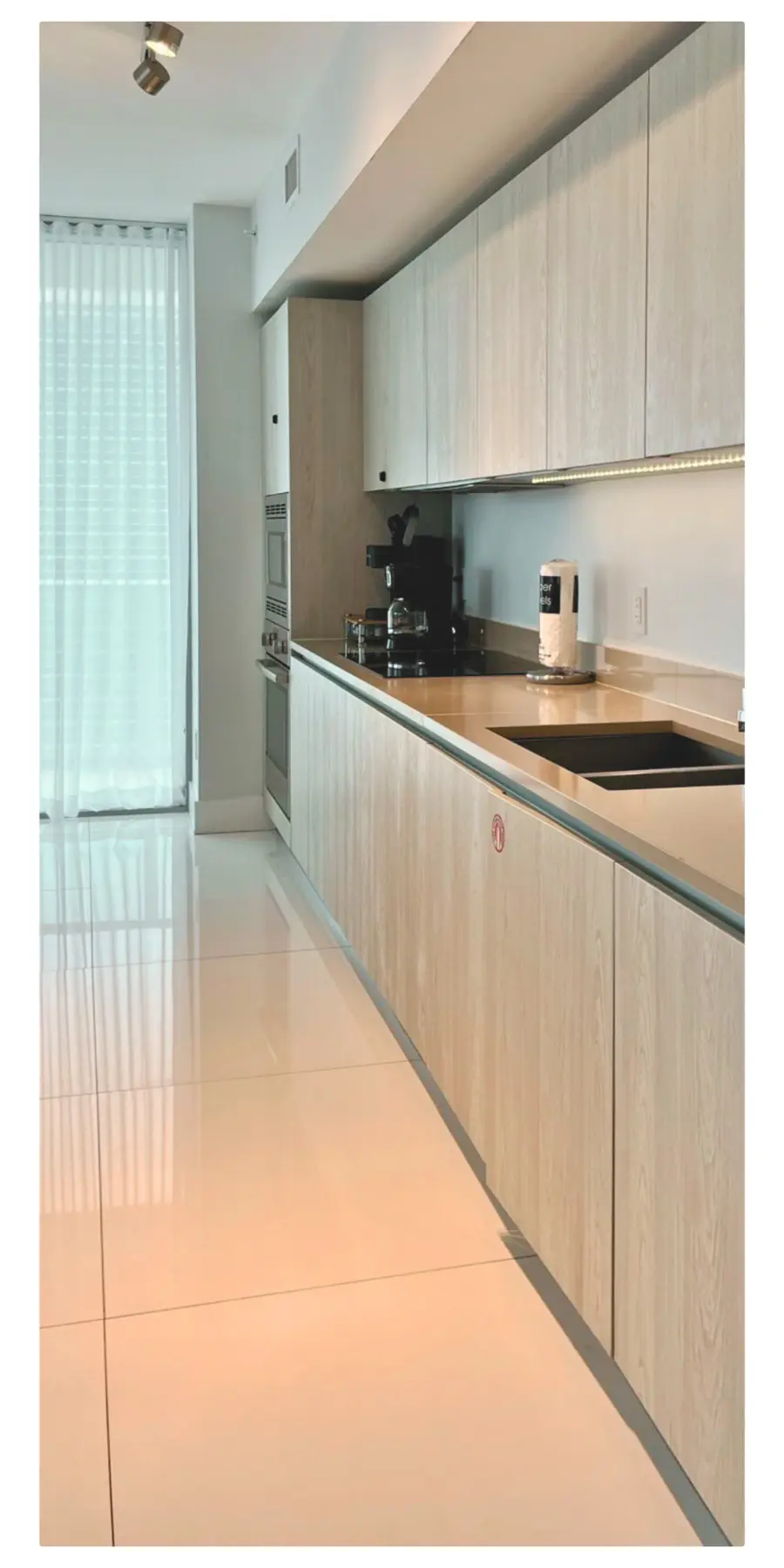
A damage claim is stronger when it is supported by a consistent property-condition record—not a few disconnected photos taken after the next guest has arrived. For short-term rental owners and managers, the turnover window is the critical moment to separate what was found after checkout from how the unit looked when it was released for the next stay.
What evidence helps document vacation-rental damage?
Useful documentation establishes three things: what was found, where it was found and when it was observed. A strong operational record may include original photos or video, reservation and unit details, written notes, access records, messages, replacement or repair receipts and a comparison with the last guest-ready record.
No single photograph automatically proves who caused an issue or guarantees reimbursement. The goal is to create a chronological, consistent record that helps the owner, manager, insurer or booking platform evaluate the situation under its current rules.
The 7-step turnover inspection checklist
- Pause before resetting the unit. Record the checkout condition before moving furniture, disposing of items or beginning corrective cleaning.
- Capture context first. Take a wide photo showing the room and location, followed by close-ups that show the size and detail of the concern.
- Document high-risk areas. Include beds and linens, bathrooms, kitchen appliances, electronics, furniture, doors, windows, balconies and access points.
- Classify the concern. Note whether it appears to be visible damage, a maintenance issue, normal wear, missing inventory or an additional cleaning condition.
- Complete the turnover. Follow the approved cleaning, linen and amenity plan without hiding or discarding relevant evidence.
- Verify the final condition. Photograph the completed guest-ready setup before the next check-in.
- Preserve and report. Keep original files, link the report to the correct unit and reservation, and follow the platform’s current reporting process promptly.
What to photograph before the next guest arrives
| Area | Useful condition record |
|---|---|
| Entry and access | Door, visible lock condition, key or fob location when applicable, and entry area. |
| Bedrooms | Wide room view, made bed, headboard, nightstands, lamps, linens and visible furniture condition. |
| Bathrooms | Vanity, mirror, shower or tub, fixtures, towels, amenities and any visible chips, leaks or stains. |
| Kitchen | Countertops, sink, cooktop, refrigerator exterior, appliance fronts and guest-supply setup. |
| Living areas | Furniture placement, upholstery condition, television, remote controls, décor and windows. |
| Balcony or exterior | Furniture, railings, doors and visible floor condition when included in the turnover scope. |
| Reported concern | One wide location photo, several detailed close-ups and a size reference when useful. |
Why before-and-after turnover photos matter
Checkout photos show what the team encountered. Final turnover photos show the condition in which the property was handed off for the next arrival. Together, they create a clearer boundary between consecutive stays and help remote managers verify guest-ready presentation.
Consistency matters more than volume. Use the same room sequence, camera position and naming method whenever possible. A repeatable photo documentation protocol makes it easier to compare one turnover with another across multiple units.
Separate damage, maintenance, wear and cleaning conditions
Not every concern found after checkout is guest damage. A loose fixture may be a maintenance issue, faded upholstery may be normal wear, and an unusually dirty surface may require additional cleaning without being damaged. Turnover staff should report what is visible and avoid assigning responsibility. The owner or property manager can then classify the issue and determine the next action.
Create a usable incident record—not a photo dump
A concise report should connect the evidence to the operation:
- Property or unit identifier.
- Checkout date and discovery time.
- Room and exact location.
- Objective description of what is visible.
- Original photo or video files.
- Immediate action taken, if any.
- Whether the concern could affect the next check-in.
How South Florida turnover logistics affect documentation
In high-turnover condos throughout Hollywood and Hallandale Beach, the same team may be coordinating building access, linens, amenities and a fixed check-in deadline. The documentation process therefore needs to be fast, standardized and connected to the correct unit. A defined sequence prevents property reporting from becoming an improvised task at the end of a busy turnover.
Frequently asked
Airbnb damage documentation questions
How can I document that an Airbnb guest damaged my property?+
Create a time-stamped record of the property immediately after checkout and again after the turnover, including wide room views, close-ups of visible damage, appliance condition, linen concerns, access status and written notes. Preserve the original files and compare them with your pre-arrival record, reservation details and platform procedures.
What photos should be included in a turnover inspection checklist?+
A turnover inspection checklist should include wide photos of every room, beds and linens, bathrooms, kitchen surfaces and appliances, electronics, furniture, doors, windows, balconies, visible amenities and any unusual condition. Add close-ups and context photos whenever damage is found.
Does photo documentation prove which guest caused damage?+
Photo documentation helps establish property condition and timing, but it may not prove responsibility by itself. Stronger records combine before-and-after images, timestamps, reservation details, access records, written reports, receipts and the booking platform’s current claim requirements.
When should vacation-rental damage be reported?+
Visible damage or a maintenance concern should be reported to the owner or property manager as soon as it is discovered, ideally before the next guest checks in. Platform claim deadlines and evidence rules can change, so managers should verify the current requirements directly with the booking platform.
Does Cleverly Shine provide turnover photo documentation?+
Cleverly Shine can include quality-control photo documentation and prompt reporting of visible damage or maintenance concerns within an agreed vacation-rental service plan. This operational documentation is not a formal property inspection or a guarantee that a platform claim will be approved.
This article provides general operational information, not legal, insurance or claims advice. Booking-platform requirements and deadlines may change; verify the current rules directly with the relevant platform. Cleverly Shine is independent and is not affiliated with or endorsed by Airbnb or Vrbo.